
Step into the world of Eco-Friendly Fashion Designs, where style meets sustainability in a harmonious blend of creativity and consciousness, shaping a brighter tomorrow through innovative fashion choices.
From the importance of eco-friendly practices to the impact of consumer support, this topic delves into the realm of sustainable fashion with a focus on preserving our planet without compromising on style.
Eco-Friendly Fashion Designs
Eco-friendly fashion has become increasingly important in today’s society as more people are becoming aware of the environmental impact of the fashion industry. By choosing sustainable and ethical fashion options, consumers can help reduce waste and promote a healthier planet.
Key Materials in Sustainable Fashion
When creating eco-friendly fashion designs, designers often use materials such as organic cotton, hemp, recycled polyester, Tencel, and bamboo. These materials are more sustainable and have a lower impact on the environment compared to traditional fabrics.
Well-Known Fashion Brands Embracing Eco-Friendly Practices
- Patagonia: Known for its commitment to environmental sustainability, Patagonia uses recycled materials and ethical manufacturing practices.
- Stella McCartney: A pioneer in sustainable fashion, Stella McCartney focuses on using vegan leather, organic cotton, and recycled materials in her designs.
- Eileen Fisher: Eileen Fisher promotes circular fashion by offering a take-back program for old garments to be recycled into new designs.
Tips for Supporting Eco-Friendly Fashion
- Shop from sustainable brands that prioritize ethical and eco-friendly practices.
- Opt for timeless pieces that are made to last, reducing the need for frequent replacements.
- Consider buying second-hand or vintage clothing to give items a new life and reduce waste.
- Learn about the impact of fast fashion and make more conscious purchasing decisions.
Fashion Boutique
A fashion boutique is a small store that specializes in selling unique and trendy clothing, accessories, and other fashion items. Unlike large retail stores, fashion boutiques offer a more curated selection of products, often showcasing independent designers and emerging fashion trends.
Products and Services Offered
In a fashion boutique, customers can expect to find one-of-a-kind clothing pieces, handcrafted accessories, personalized styling services, and exclusive designer collaborations. The intimate setting of a boutique allows for a more personalized shopping experience, with attentive staff ready to assist customers in finding the perfect outfit or accessory.
Advantages of Shopping at a Fashion Boutique
- Unique and exclusive items not found in mainstream stores
- Personalized styling and customer service
- Supporting local designers and small businesses
- A more intimate and enjoyable shopping experience
- Potential for discovering new and emerging fashion trends
Contribution to Local Economy
Fashion boutiques play a crucial role in supporting the local economy by promoting small-scale designers, artisans, and businesses. By showcasing locally-made products and collaborating with independent designers, boutiques help stimulate the growth of the fashion industry in the community. Additionally, boutique owners often source their products from local suppliers, further contributing to the economic development of the region.
Fashion and Style
In the fashion industry, the terms “fashion” and “style” are often used interchangeably, but they actually have distinct meanings. Fashion refers to the latest trends and designs that are popular at a particular time, while style is a more personal expression of one’s preferences and personality through clothing and accessories.
Importance of Personal Style
Personal style plays a crucial role in expressing individuality and creativity. It allows people to showcase their unique tastes and preferences, setting them apart from others. By choosing clothing and accessories that resonate with them on a personal level, individuals can create a distinct and memorable image that reflects who they are.
Iconic Fashion Trends
The Little Black Dress
A timeless classic introduced by Coco Chanel in the 1920s, the little black dress remains a staple in women’s wardrobes to this day.
Denim Jeans
Initially worn as workwear, denim jeans have evolved into a versatile fashion item that continues to be a popular choice worldwide.
The White T-shirt
Simple yet versatile, the white T-shirt has become a wardrobe essential for both men and women, transcending trends and seasons.
Fashion’s Influence on Popular Culture
Fashion has a significant impact on popular culture and societal norms. It not only reflects the values and beliefs of a particular era but also has the power to challenge and redefine them. From film and music to art and politics, fashion influences a wide range of industries and shapes the way we perceive the world around us.
Fashion and Design
Fashion and design are intrinsically linked in the world of innovative clothing. Design principles play a crucial role in shaping the way fashion evolves, from color theory to fabric selection. Integrating sustainable design practices into the fashion design process is not only a trend but a necessity for a more environmentally conscious industry. Furthermore, technology has revolutionized the way fashion is created, allowing for more efficient processes and boundary-pushing designs.
Role of Design Principles in Fashion
Design principles such as color theory and fabric selection are essential in creating visually appealing and functional clothing. Color theory helps designers choose the right color combinations to evoke certain emotions or convey specific messages through their designs. On the other hand, fabric selection is crucial for determining the look, feel, and quality of the final garment. By understanding and applying these design principles effectively, fashion designers can create unique and impactful pieces that resonate with consumers.
Integration of Sustainable Design Practices
Sustainable design practices are becoming increasingly important in the fashion industry, as consumers are demanding more environmentally friendly options. Designers are now exploring ways to reduce waste, use eco-friendly materials, and minimize the carbon footprint of their creations. By incorporating sustainable design practices into their processes, fashion designers can contribute to a more sustainable and ethical industry that prioritizes both style and environmental responsibility.
Influence of Technology on Fashion Design
Technology has transformed the way fashion is designed, produced, and consumed. From 3D printing to virtual reality, designers now have access to tools and technologies that were previously unimaginable. These advancements have not only streamlined the design process but have also opened up new avenues for creativity and innovation. By embracing technology, fashion designers can push the boundaries of traditional design and create truly groundbreaking pieces that captivate audiences worldwide.
Conclusive Thoughts
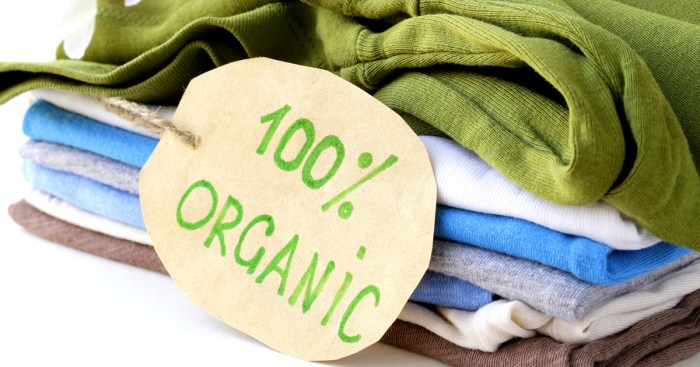
As we conclude our exploration of Eco-Friendly Fashion Designs, we are reminded of the power of conscious choices in shaping the fashion industry. Let’s continue to embrace eco-friendly practices and pave the way for a more sustainable and stylish future together.
FAQ Insights
How can eco-friendly fashion benefit the environment?
Eco-friendly fashion reduces the environmental impact of the industry by using sustainable materials and ethical production methods.
Are eco-friendly fashion designs limited in style options?
No, eco-friendly fashion offers a wide range of stylish choices, from casual wear to high-end fashion, catering to diverse preferences.
Can consumers make a difference by supporting eco-friendly fashion brands?
Absolutely, consumer support plays a crucial role in encouraging more brands to adopt eco-friendly practices and promoting sustainability in the fashion industry.


