
Embark on a journey into the world of Fashion Illustration Tutorials, where creativity knows no bounds and style comes to life with every stroke of the pencil.
Discover the magic behind fashion illustrations and how they play a crucial role in the design process, offering a glimpse into the artistry and techniques that shape the fashion industry.
Fashion Illustration Tutorials
Fashion illustration tutorials play a crucial role in the design process, helping designers bring their creative vision to life. These tutorials provide aspiring artists and designers with the necessary skills and techniques to create stunning fashion illustrations that capture the essence of their designs.
Techniques in Fashion Illustration Tutorials
- Sketching: The foundation of fashion illustration, sketching helps artists Artikel the basic shape and form of the garment or accessory.
- Rendering: Adding depth and texture to the illustration through shading and highlighting techniques.
- Proportions: Ensuring that the proportions of the figure and the clothing are accurate and realistic.
- Coloring: Choosing the right colors and applying them effectively to enhance the overall look of the illustration.
- Movement and Pose: Capturing the movement and pose of the figure to convey the mood and style of the design.
Popular Fashion Illustration Tutorials Online
- Fashion Illustration for Beginners: Step-by-Step Guide
- Fashion Illustration Tutorial: Mastering Proportions and Poses
- Fashion Illustration 101: From Sketch to Runway
FASHION BOUTIQUE
A fashion boutique is a small store that offers a curated selection of clothing, accessories, and other fashion items. These boutiques often cater to a specific style, niche, or target market, providing customers with a unique and personalized shopping experience.
Unlike regular clothing stores, fashion boutiques focus on offering limited quantities of carefully selected pieces, creating a sense of exclusivity and individuality for customers. They prioritize quality over quantity and often carry designer or independent labels that may not be found in larger retail chains.
Starting a Fashion Boutique
Starting a successful fashion boutique requires careful planning and attention to detail. Here are some tips to help you kickstart your boutique:
- Define Your Niche: Identify your target market and the style of clothing you want to offer. Find a unique selling point that sets your boutique apart from others.
- Location Matters: Choose a prime location with high foot traffic and visibility to attract customers. Consider the demographics of the area to ensure it aligns with your target market.
- Curate Your Collection: Select a cohesive range of products that reflect your boutique’s aesthetic and appeal to your target customers. Keep your inventory fresh and up-to-date with the latest trends.
- Create a Memorable Shopping Experience: Focus on providing excellent customer service and creating a welcoming atmosphere in your boutique. Offer personalized styling advice and make customers feel special.
- Market Your Boutique: Utilize social media, local advertising, and collaborations with influencers or fashion bloggers to promote your boutique and attract new customers. Build a strong brand identity that resonates with your target market.
- Monitor Your Finances: Keep track of your expenses, sales, and inventory to ensure the financial health of your boutique. Set realistic goals and adapt your strategies based on performance.
FASHION AND STYLE
In the world of fashion, the terms “fashion” and “style” are often used interchangeably, but they actually have distinct meanings. Fashion refers to the current trends and designs that are popular at a particular time, while style is more personal and enduring, reflecting an individual’s unique taste and preferences.
Personal Style Influence
Personal style plays a significant role in shaping an individual’s fashion choices. It is a way for people to express their personality, creativity, and identity through the clothes and accessories they wear. Whether someone prefers classic, minimalist, eclectic, or avant-garde looks, their personal style guides them in selecting pieces that resonate with who they are.
Iconic Fashion Moments
- 1920s Flapper Style: The roaring twenties introduced a rebellious and liberating fashion movement with flapper dresses, bob haircuts, and bold makeup, symbolizing women’s newfound freedom and independence.
- 1960s Mod Fashion: The mod subculture of the sixties embraced geometric patterns, bold colors, and sleek silhouettes, epitomized by icons like Twiggy and designers like Mary Quant.
- 1980s Power Dressing: The power dressing trend of the eighties emphasized strong shoulders, tailored suits, and bold accessories, reflecting women’s increasing presence in the workforce and desire for empowerment.
- 2010s Athleisure Boom: The rise of athleisure in the past decade blurred the lines between activewear and everyday clothing, promoting comfort, versatility, and a more relaxed approach to style.
FASHION AND DESIGN
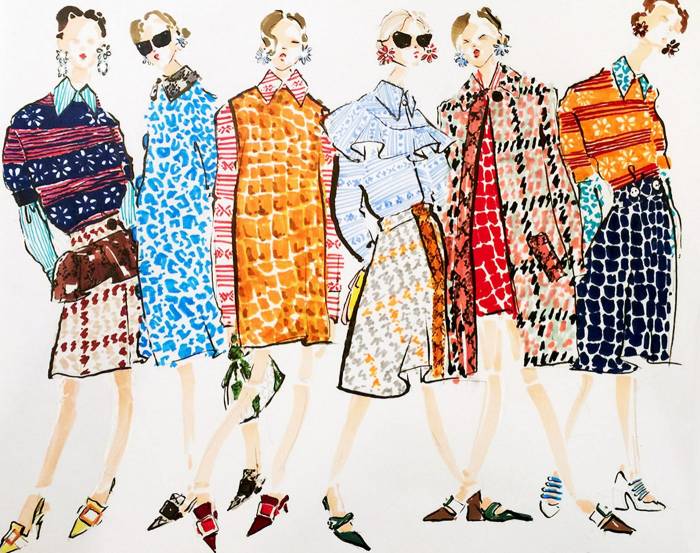
Fashion and design are intricately connected in the creation of clothing collections. Design principles play a crucial role in shaping the aesthetics, functionality, and overall appeal of fashion pieces. With advancements in technology, the intersection of fashion and design has evolved, leading to innovative techniques and processes in the fashion industry.
Application of Design Principles in Fashion
- Balance, proportion, and harmony are essential design principles applied in fashion to create visually appealing garments.
- Emphasis on details and craftsmanship helps elevate the quality and uniqueness of fashion designs.
- Color theory and texture play a significant role in creating dynamic and engaging fashion collections.
- Functionality and comfort are key considerations in fashion design to ensure wearable and practical clothing pieces.
Impact of Technology on Fashion and Design
- The use of computer-aided design (CAD) software has revolutionized the way fashion designers create and visualize their collections.
- 3D printing technology allows for rapid prototyping and customization of garments, pushing the boundaries of traditional fashion design.
- Virtual reality (VR) and augmented reality (AR) are being utilized to enhance the shopping experience and showcase fashion designs in a more immersive way.
- Sustainable practices and eco-friendly materials are being integrated into fashion design with the help of technological advancements, promoting a more responsible approach to creating clothing collections.
Conclusive Thoughts
As we conclude our exploration of Fashion Illustration Tutorials, remember that the power of creativity lies within you, waiting to be unleashed onto the canvas of fashion. Dive deep into the world of illustrations and let your unique style shine through every design.
Key Questions Answered
How important are fashion illustration tutorials in the design process?
Fashion illustration tutorials are essential as they help designers visualize their ideas, communicate their concepts effectively, and bring their creations to life.
What are some common techniques used in fashion illustration tutorials?
Common techniques include sketching, shading, rendering fabrics, creating silhouettes, and mastering proportions.
Where can I find popular fashion illustration tutorials online?
You can explore platforms like YouTube, Skillshare, and fashion blogs for a wide range of popular fashion illustration tutorials created by experts in the field.


