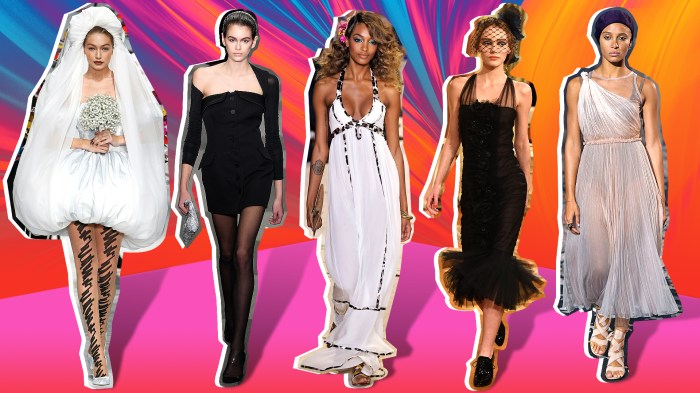
High Fashion Designers sets the stage for this enthralling narrative, offering readers a glimpse into a story that is rich in detail with a touch of simplicity and originality.
From the iconic styles of top designers to their lasting impact on the fashion industry, this exploration delves deep into the world of haute couture and creativity.
High Fashion Designers
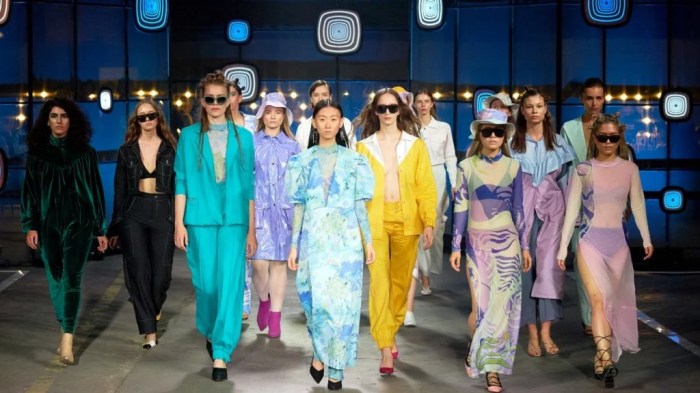
High fashion designers play a crucial role in shaping the fashion industry, setting trends, and inspiring creativity. Here are the top 5 high fashion designers globally:
1. Chanel
- Signature Style: Timeless elegance, classic silhouettes, and luxurious fabrics.
- Impact: Chanel revolutionized women’s fashion with the iconic little black dress and Chanel suit.
- Influence on Trends: Chanel’s designs often influence mainstream trends with their innovative approach to fashion.
2. Gucci
- Signature Style: Bold patterns, vibrant colors, and eclectic designs.
- Impact: Gucci is known for its daring and unconventional approach to fashion, appealing to a younger demographic.
- Influence on Trends: Gucci’s runway shows often set the tone for upcoming fashion seasons, influencing mainstream styles.
3. Louis Vuitton
- Signature Style: Iconic monogram prints, luxury leather goods, and sophisticated designs.
- Impact: Louis Vuitton is a symbol of luxury and status, with a strong influence on the fashion industry.
- Influence on Trends: Louis Vuitton’s collaborations and innovative designs often shape mainstream fashion trends.
4. Prada
- Signature Style: Minimalist designs, clean lines, and avant-garde concepts.
- Impact: Prada is known for its intellectual approach to fashion, blending art, architecture, and culture.
- Influence on Trends: Prada’s unique aesthetic often inspires mainstream fashion trends and design concepts.
5. Dior
- Signature Style: Romantic designs, feminine silhouettes, and intricate detailing.
- Impact: Dior’s haute couture creations embody a sense of luxury and elegance, influencing the fashion world.
- Influence on Trends: Dior’s runway shows set the stage for upcoming trends, dictating styles in mainstream fashion.
Fashion Boutique
A fashion boutique is a small store that specializes in selling unique and high-end clothing, accessories, and other fashion items. These boutiques often feature carefully curated collections that cater to a specific niche market or style.
Popular Fashion Boutiques
- Colette – Paris, France
- Dover Street Market – London, UK
- The Webster – Miami, USA
- Ikram – Chicago, USA
- 10 Corso Como – Milan, Italy
Curated Collections
In fashion boutiques, curated collections refer to a selection of clothing and accessories handpicked by the boutique’s buyers or designers. These collections are often cohesive in style and cater to the boutique’s target customer base. By curating collections, fashion boutiques offer a unique and personalized shopping experience to their customers.
Importance of Customer Experience
The customer experience is paramount in a fashion boutique setting. From the layout and decor of the store to the interactions with staff, every aspect of the customer’s visit should be carefully curated to create a memorable and enjoyable shopping experience. Personalized styling services, exclusive events, and exceptional customer service all contribute to building a loyal customer base and setting a fashion boutique apart from its competitors.
Fashion and Style
In the world of fashion, the terms “fashion” and “style” are often used interchangeably, but they actually have distinct meanings. Fashion refers to the latest trends and designs that are popular at a given time, often influenced by designers, celebrities, and the media. On the other hand, style is a more personal expression of one’s taste, preferences, and personality through clothing and accessories.
Influence of Personal Style on Fashion Choices
Personal style plays a significant role in shaping an individual’s fashion choices. It is a reflection of one’s identity, values, and creativity, and can influence the way a person interprets and adopts fashion trends. Whether someone prefers classic, edgy, bohemian, or minimalistic styles, their personal taste guides their decisions on what to wear and how to wear it.
Relationship Between Fashion Trends and Individual Style
- Fashion trends often serve as inspiration for individuals to experiment with new styles and incorporate them into their personal wardrobe.
- Individuals with a strong sense of personal style may choose to reinterpret or adapt fashion trends to suit their unique aesthetic, creating a fusion of current trends and personal expression.
- Some individuals may prefer to stay true to their personal style regardless of current fashion trends, showcasing a commitment to authenticity and self-expression.
Impact of Cultural Influences on Fashion and Style Evolution
Cultural influences play a crucial role in shaping the evolution of fashion and style. Different cultures around the world have distinct traditions, values, and aesthetics that contribute to the diversity and richness of the fashion industry. From traditional garments and textiles to cultural symbols and rituals, these influences can inspire designers, artists, and consumers to celebrate and incorporate cultural elements into their fashion choices.
Fashion and Design
Fashion and design are intricately connected in the creation of clothing, with designers using their creativity and artistic vision to bring fashion concepts to life through innovative designs and patterns. The process of designing a fashion collection involves a series of steps from conceptualization to the final runway presentation, showcasing the designer’s unique style and vision.
Designing a Fashion Collection
Designing a fashion collection begins with inspiration, where designers draw from various sources such as art, nature, architecture, or even personal experiences. They then develop mood boards, sketches, and fabric swatches to bring their ideas to life. The next step involves creating patterns, selecting fabrics, and constructing prototypes to test the design’s fit and functionality. Finally, the collection is refined, styled, and prepared for the runway show, where the designer’s vision is brought to life in a dazzling display of creativity and craftsmanship.
Role of Technology in Modern Fashion Design
- Technology plays a crucial role in modern fashion design, enabling designers to experiment with innovative materials, techniques, and production processes.
- Computer-aided design (CAD) software allows designers to create digital sketches, patterns, and 3D models, streamlining the design process and increasing efficiency.
- Virtual reality (VR) and augmented reality (AR) technologies are increasingly used in fashion design to create immersive experiences, visualize designs in real-time, and engage with consumers in new and exciting ways.
- 3D printing technology is revolutionizing the fashion industry by enabling designers to create intricate and customized garments, accessories, and footwear with unprecedented speed and precision.
Sustainability and Ethical Practices in Fashion Design
- Sustainability and ethical practices are becoming increasingly important in the fashion industry, with designers and brands facing growing pressure to reduce their environmental impact and promote fair labor practices.
- Designers are exploring sustainable materials such as organic cotton, recycled polyester, and Tencel, as well as innovative production techniques like zero-waste pattern cutting and upcycling to minimize waste and conserve resources.
- Ethical practices in fashion design involve ensuring fair wages, safe working conditions, and transparent supply chains, as well as promoting diversity, inclusivity, and social responsibility throughout the design and production process.
- By embracing sustainability and ethical practices, designers can create fashion that not only looks good but also does good for the planet and its people, paving the way for a more responsible and conscious fashion industry.
End of Discussion
As we wrap up our journey through the realm of High Fashion Designers, it’s evident that their influence extends far beyond the runway, shaping the very essence of style and innovation in the fashion world.
Top FAQs
How do high fashion designers impact mainstream fashion trends?
High fashion designers set the trends that trickle down to the masses, influencing everything from color palettes to silhouettes in the fashion industry.
What makes a designer’s signature style unique?
A designer’s signature style is a reflection of their creative vision and aesthetic preferences, often characterized by recurring motifs or design elements.
Can high fashion designers be considered artists?
Absolutely, high fashion designers are often hailed as artists for their ability to create wearable art pieces that push boundaries and challenge conventions.


